

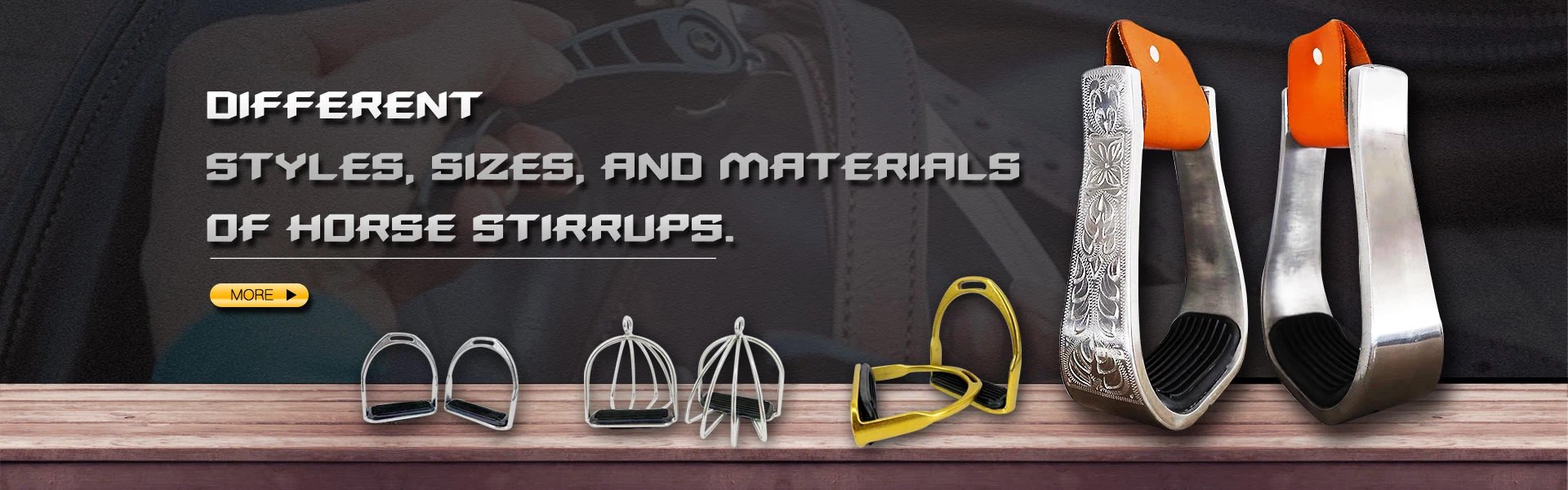
What is the difference between Western and English stirrups?
Stirrups are an essential part of horse riding equipment that provide stability, balance, and control for the rider. They are the metal loops or frames attached to the saddle that allow the rider to place their feet and support their body weight while riding. Stirrups have evolved over time, leading to the development of various types, including Western and English stirrups. While their primary function is similar, there are some significant differences between the two. In this article, we will explore and compare the Western and English stirrups in terms of their design, usage, and impact on riding techniques.
Design:
The design of Western and English stirrups differs significantly, reflecting the respective riding styles and traditions associated with each discipline.
*Western Stirrups:*
Western stirrups are usually made of heavy-duty metal, such as stainless steel, and are relatively larger and heavier compared to English stirrups. They feature a wide tread, providing more room and stability for the rider''s foot. The Western stirrup has a distinctive shape with a deep lip or curve at the front, commonly known as a "hooded" or "covered" stirrup. This design prevents the rider''s boot from slipping out of the stirrup during fast or abrupt movements, offering increased security.
*English Stirrups:*
In contrast to Western stirrups, English stirrups are generally lighter and smaller in size. They are often crafted from lightweight materials like aluminum or composite materials to enhance maneuverability and reduce overall weight. English stirrups typically have a narrower tread and a flatter profile compared to Western stirrups. The flatter design allows the rider''s foot to easily slide in and out during jumping or posting trot movements. Additionally, English stirrups may have rubber pads or grips attached to the tread to enhance traction and prevent the rider''s foot from slipping.
Usage:
The differences in stirrup design influence their usage and application in different horse riding disciplines.
*Western Stirrups:*
Western stirrups are primarily used for Western riding styles, commonly associated with activities like trail riding, ranch work, and rodeo events. The larger size and wider tread of Western stirrups provide more stability and support during long rides, making them suitable for endurance and comfort. Moreover, the hooded design offers added safety and security, especially when dealing with unpredictable or high-energy horses. Western stirrups often have stirrup covers made from leather or other materials that can be customized and decorated according to the rider''s personal style.
*English Stirrups:*
English stirrups are predominantly used in English riding disciplines like dressage, show jumping, and eventing. The smaller size and lightweight nature of English stirrups allow for greater flexibility and freedom of movement. Riders performing jumping or intricate dressage movements often need to have a more secure grip on their stirrups. The narrower tread and flatter design of English stirrups, combined with the optional rubber grips, enable riders to maintain a solid grip without compromising their ability to easily release their feet when required.
Impact on Riding Techniques:
The choice of stirrups can significantly impact riding techniques and the rider''s overall experience. Let''s explore how Western and English stirrups influence different aspects of horse riding:
*Seat and Balance:*
Western stirrups, with their larger surface area and increased width, provide excellent stability and balance for the rider. This is particularly crucial during long rides or when dealing with unpredictable horses that require a strong and steady seat. The deep lip or hooded design prevents the foot from sliding forward, helping riders maintain a secure position in the saddle.
On the other hand, English stirrups, with their smaller and lighter design, promote a different riding technique. English riders often ride with a shorter stirrup length, allowing their legs to have more freedom and flexibility. The flatter profile of English stirrups enables the rider''s foot to easily slip out in order to absorb shock during jumping exercises. This flexibility in stirrup movement aids the rider in maintaining a balanced seat over jumps or during intricate dressage movements.
*Leg Aids and Communication:*
The design of stirrups can also affect the rider''s leg aids and communication with the horse. In Western riding, where leg cues play a vital role in guiding the horse, the larger and heavier Western stirrups offer more support and stability for leg placement. The wide tread allows the rider to distribute weight evenly, providing clear and consistent signals to the horse through leg movements.
Conversely, English riding often relies on a lighter leg aid, where the rider''s legs maintain closer contact with the horse''s sides. The smaller size and lighter weight of English stirrups enable riders to have better sensitivity and precision in their leg aids. The ability to easily release the foot from the stirrup allows for more subtle communication between the rider and the horse, especially in activities like dressage and show jumping that require precise and intricate movements.
Summary:
In conclusion, Western and English stirrups serve the same fundamental purpose of providing stability and support to riders during horseback riding. However, their design, usage, and impact on riding techniques significantly differ. **Western stirrups are larger, heavier, and more secure, catering to Western riding styles that emphasize stability and comfort. English stirrups, on the other hand, are smaller, lighter, and offer greater flexibility, suiting English riding styles that prioritize maneuverability and precise leg aids. Understanding the distinctions between these two types of stirrups can help riders choose the most suitable option based on their preferred riding discipline and personal preferences.**