

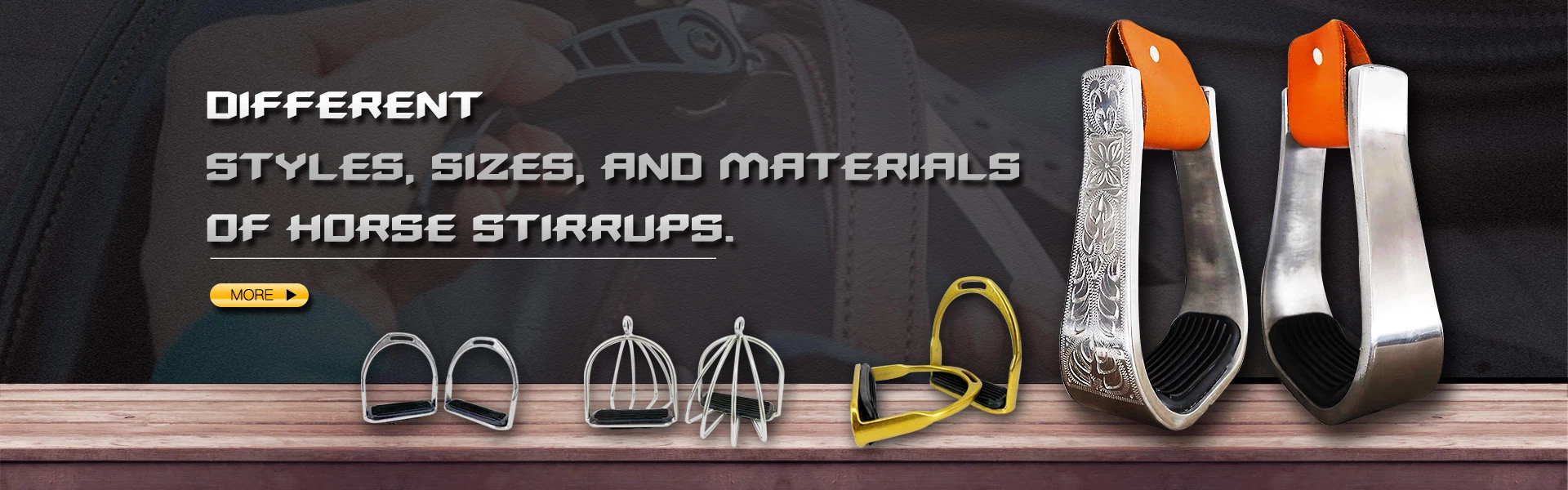
**What Are Safety Stirrups?**
Walk into any tack shop and you'll notice something interesting. Traditional stirrups still line the shelves, but more and more riders are reaching for a different design entirely. Safety stirrups have moved from niche specialty to mainstream essential-and there's a reason experienced equestrians rarely go back.
**The Core Problem with Traditional Designs**
Standard stirrups haven't changed much in centuries. A simple metal frame, a flat base, openings on both ends. Elegant in its simplicity, yes, but unforgiving when things go wrong.
Anyone who's ridden long enough knows the scenario. A fall happens. Foot goes through, weight shifts wrong, and suddenly you're dragging. The statistics aren't pretty-dragging incidents represent a significant percentage of serious riding injuries. Traditional stirrups don't discriminate. They hold your foot when you want them to, and sometimes when you absolutely don't.
**How Safety Stirrups Actually Work**
The engineering philosophy flips the script. Instead of asking "how do we keep the foot in," designers asked "how do we get the foot out when needed?"
Several approaches emerged. Some use a curved outer branch that bends or releases under specific pressure angles. Others incorporate a rubber band or flexible joint on one side-strong enough for normal riding, weak enough to break away during a fall. A few designs feature a weighted outer branch that naturally opens when the rider's weight shifts dramatically.
The key isn't complexity. It's predictable behavior under stress. When your body panics and instincts take over, the equipment responds correctly without requiring conscious thought.
**Who Actually Needs Them?**
Beginners benefit, certainly. Unpredictable balance and nervous horses create more fall opportunities. But here's what experienced riders quietly admit: confidence sometimes breeds carelessness. The jumper who knows her course perfectly. The trail rider who's covered the same path fifty times. Complacency kills, and safety stirrups provide backup for human error.
Children represent an obvious use case. Parents researching first ponies quickly discover that insurance requirements and common sense align here. Yet adult recreational riders-weekend warriors balancing work stress with barn time-often gain the most peace of mind. When you're squeezing riding between meetings and family obligations, mental bandwidth runs thin. Equipment that reduces cognitive load matters.
**The Selection Reality**
Not all safety stirrups perform equally. Budget options often use cheaper polymers that degrade unpredictably in temperature extremes. The release mechanism might work perfectly in a showroom but stick after months of dust, sweat, and occasional pressure-washing.
Weight matters more than manufacturers advertise. A heavy stirrup swings differently, affecting leg position and horse communication. Some riders adapt quickly; others never adjust, abandoning safety features for familiar feel.
Footbed design separates adequate from excellent. Grip texture, width, and angle influence stability more than the safety mechanism itself. A stirrup that prevents falls through better balance outperforms one that merely releases cleanly when you hit the ground.
**Maintenance Nobody Talks About**
Rubber components dry out. Spring mechanisms corrode. The very flexibility that makes safety stirrups protective becomes their weakness over time. Most manufacturers suggest replacement intervals that serious riders ignore until something feels off.
Smart barn managers track installation dates like they track vaccination schedules. The stirrup that saved a dozen falls without issue becomes unpredictable after three years of UV exposure and ammonia fumes.
Safety stirrups aren't magic. They don't prevent falls, improve riding, or replace good judgment. What they offer is damage control-a narrow window where a bad moment doesn't become a catastrophic one.
The question isn't whether you can afford them. It's whether you can afford the alternative if they work as designed exactly once.