

Horse Stirrups
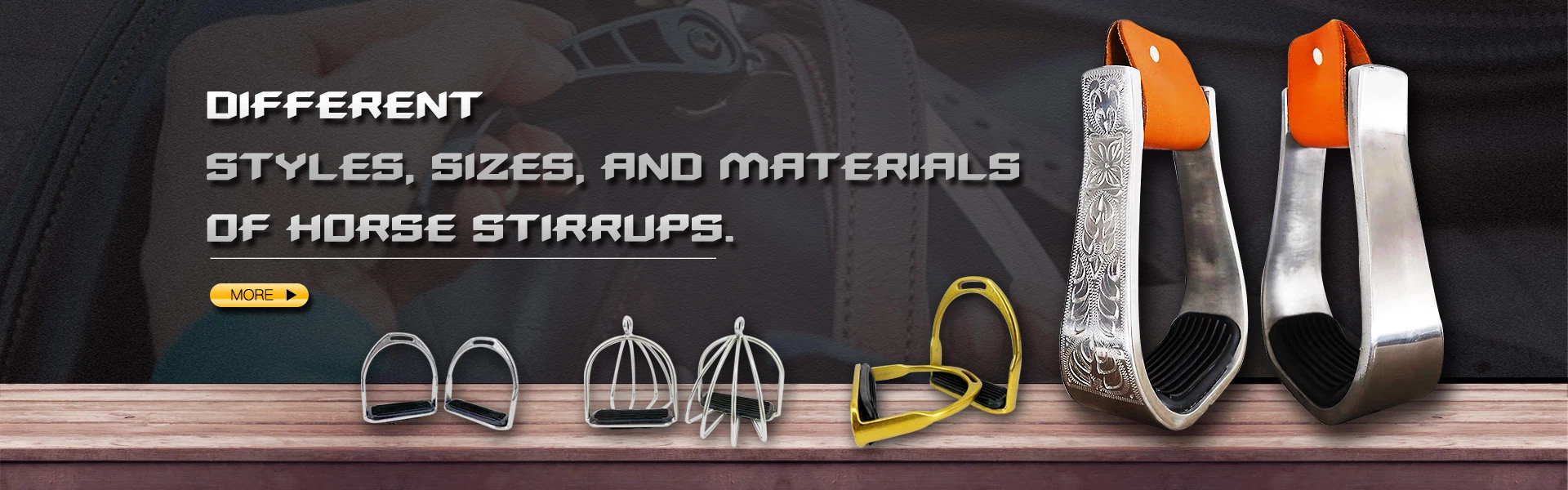
Horse stirrups are metal or wooden frames that attach to either side of a horse's saddle and provide a secure foothold for the rider. The rider places their feet in the stirrups and uses them to balance and support themselves while riding. Stirrups can vary in size and design depending on the type of riding and the preferences of the rider.
Advantages of Horse Stirrups
Better balance
Stirrups help the rider maintain better balance and stability while riding. The rider can keep their legs in a more secure position, which in turn helps them sit more solidly in the saddle.
Better control
With stirrups, the rider can use their leg muscles to better control the horse’s movements. It allows for more precise cues and encourages the horse to move more fluidly.
Reduced fatigue
When riding for long periods of time, stirrups can help reduce leg fatigue. The rider can distribute their weight and pressure more evenly, creating a more comfortable and sustainable riding experience.
More efficient riding
By having stirrups, the rider can use their body weight and leg muscles more efficiently, making it easier to perform riding techniques, such as jumps or turning the horse.
-
![Lightweight Safety Irons Stirrups]()
-
![ESTRIBO ALUMINIO]()
-
![Brady Stockman Stirrups - Aluminium]()
-
![90mm Factory Price Racing Stirrups]() 90mm Factory Price Racing Stirrups90mm Factory Price Racing Stirrups OEM & ODM Service Directly Factory Less MOQread more
90mm Factory Price Racing Stirrups90mm Factory Price Racing Stirrups OEM & ODM Service Directly Factory Less MOQread more -
![75mm Aluminum Race Stirrups]() 75mm Aluminum Race Stirrups75mm Aluminum Race Stirrups OEM & ODM Service Less MOQ Factory priceread more
75mm Aluminum Race Stirrups75mm Aluminum Race Stirrups OEM & ODM Service Less MOQ Factory priceread more -
![Youth Aluminum Engraved Stirrups]() Youth Aluminum Engraved StirrupsYouth Aluminum Engraved Stirrups Supply OEM & ODM Factory Priceread more
Youth Aluminum Engraved StirrupsYouth Aluminum Engraved Stirrups Supply OEM & ODM Factory Priceread more -
![3 Inch Neck With Leather Roller Western Aluminum Stirrups]() 3 Inch Neck With Leather Roller Western Aluminum StirrupsOEM & ODM Factory Price Less MOQread more
3 Inch Neck With Leather Roller Western Aluminum StirrupsOEM & ODM Factory Price Less MOQread more -
![Made in China Aluminum Oxbow Stirrups]() Made in China Aluminum Oxbow StirrupsMade in China Aluminum Oxbow Stirrups Supply OEM & ODM Service Factory Priceread more
Made in China Aluminum Oxbow StirrupsMade in China Aluminum Oxbow Stirrups Supply OEM & ODM Service Factory Priceread more -
![Aluminum Barrel Stiruups]()
-
![Black Double Bent Legs Stirrups]() Black Double Bent Legs StirrupsBlack Double Bent Legs Stirrups Factory Price OEM & ODM Less MOQread more
Black Double Bent Legs StirrupsBlack Double Bent Legs Stirrups Factory Price OEM & ODM Less MOQread more -
![STAINLESS STEEL BENT LEG STTRRUPS]() STAINLESS STEEL BENT LEG STTRRUPSSTAINLESS STEEL BENT LEG STTRRUPS OEM & ODM Less MOQ Factory Price High Qualityread more
STAINLESS STEEL BENT LEG STTRRUPSSTAINLESS STEEL BENT LEG STTRRUPS OEM & ODM Less MOQ Factory Price High Qualityread more -
![SS HUNTING STIRRUPS]()


Why choose Us
High quality
Our products are manufactured or executed to very high standards, using the finest materials and manufacturing processes.
One stop solution
From the begining inquiry and throughout the entire process until you receive the goods. we are dedicated to supporting you every step of the way.
Quality control
We have professional personnel to monitor the production process, inspect the products and ensure that the final product meets the required quality level standards, guidelines and specifications.
24h online service
You can contact us to inquire about pre-sales, sales, and after-sales services, and we will give you a very satisfactoryWe are at your service online 24 hours a day.
Types of Horse Stirrups
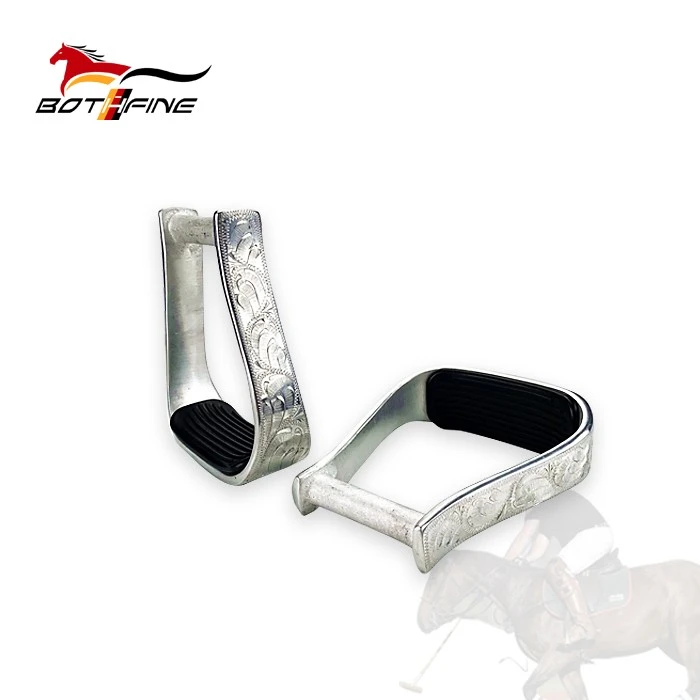
Stirrup irons
Stirrup irons are what english stirrups are called. As you might imagine based on the name, these stirrups are usually made of metal. One of my friends, however, actually used heavy duty plastic stirrup irons as opposed to the classic metal ones that my other friends and I use.
Peacock stirrups
Aenean auctor wisi et urna. Aliquam erat volutpat. Duis ac turpis. Integer rutrum ante eu lacus.Vestibulum libero nisl, porta vel, scelerisque eget, malesuada at, neque. Vivamus eget nibh. Nunc pulvinar bibendum venenatis.
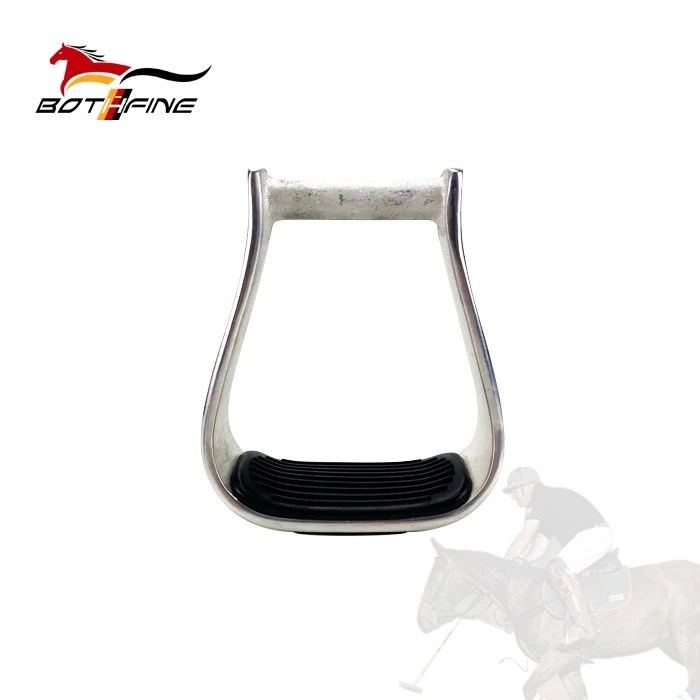

Western stirrups
Western stirrups are significantly larger than english stirrup irons. These stirrups sit against the rider’s arch of their foot as opposed to the ball of the foot as seen in english. These large stirrups are seen on all western saddles and are often made of plastic or wood, before being covered in leather or rawhide. These stirrups are wider and taller than english stirrup irons.
Endurance stirrups
Endurance stirrups are a mix of English and western stirrups. They are in a similar shape as an English stirrup being shorter and rounder at the top. Though they are in the same shape as an English stirrup, they have a wide and long area for the foot to sit like in western stirrups.
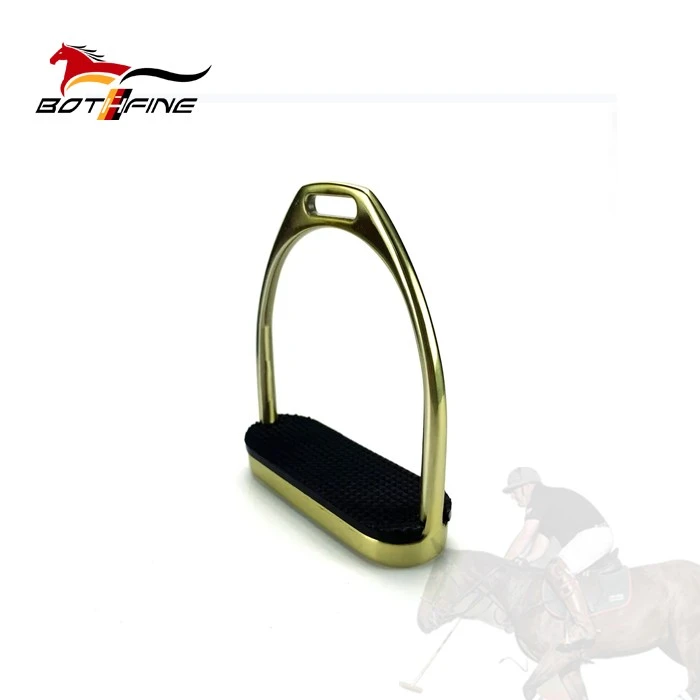
Material of Horse Stirrups
Stainless steel
It is a durable and corrosion-resistant material that is commonly used in high-end stirrups.
Aluminum
It is a lightweight option, which makes it easy to carry around and attach to the saddle. It is also rust-resistant.
Brass
It is a traditional material for stirrups and adds a classic look to the equipment. However, it is denser and heavier than steel or aluminum.
Composite materials
Stirrups made from carbon fiber, plastic, or other composite materials are lightweight and sturdy but also expensive.

Application of Horse Stirrups
Aids in balance
Stirrups are designed to provide support and balance to riders while riding their horse. By placing their feet inside the stirrups, riders can maintain their balance and stay secure on the horse's back.
Control the horse
Stirrups also assist in controlling a horse while riding. By pressing their feet into the stirrups, riders can communicate with their horse and give commands to move forward, turn left or right, and stop.
Prevents injuries
The stirrups can provide added security and help prevent accidents during equestrian sports. If a rider is thrown from the horse or loses their balance, the stirrups can aid in preventing injuries by keeping the feet securely in place.
Corrects posture
The use of stirrups can help improve the rider's posture and reduce the strain on the legs and back. The stirrups' correct length ensures that the rider's legs hang correctly and helps prevent foot cramps.
Supports weight
Stirrups help distribute the rider's weight evenly on the horse's back, reducing the pressure on the horse's spine. This helps to ensure the horse's wellbeing and prevent any injuries.
Basically, wider safety stirrups are the best or a great option for the rider. It provide a large space where riders can put their feet easily and have a secure feeling of comfortability while show riding. The large space supports feet, and riders can move with an abundance of freedom. When you are comfortable with your riding gears, you can cover long distances without any hassle.

Process of Horse Stirrups
Choosing the right type of stirrup
There are many types of stirrups available, each with its own design and benefits. Choosing the right stirrup depends on the discipline of riding, the rider's experience, and preferences.
Adjusting the stirrup length
The rider needs to adjust the stirrup length to ensure proper leg position and balance. The stirrup should sit at the ball of the rider's foot, with enough room to flex the ankle and maintain contact with the horse's side.
Placing the foot in the stirrup
The rider places the ball of their foot in the stirrup, ensuring the toes are pointing forward and not turned out. The heel should be slightly lower than the toe, allowing for a stable foundation.
Mounting the horse
The rider mounts the horse, using the stirrup as a foothold to lift themselves into the saddle. The rider then adjusts their position in the saddle, ensuring proper alignment with the horse's back.
Riding with the stirrups
The rider continues to ride with the stirrups, maintaining proper leg position and balance. The stirrups are used to support the rider's weight and provide a stable foundation for cues and aids.
Removing the foot from the stirrup
When dismounting the horse, the rider removes their foot from the stirrup, ensuring the stirrup doesn't hit the horse's side or leg. The stirrups are then adjusted before the rider mounts again.
Maintenance of Horse Stirrups
Regular cleaning
Regular cleaning is essential to keep your stirrups free from dirt, dust, and debris. After each ride, take a moment to clean your stirrups thoroughly. Begin by removing any excess dirt or mud with a brush or cloth. Then, use a mild soap solution and warm water to gently clean the surface of the stirrups. Avoid using any harsh chemicals or abrasive materials that can damage the finish of the stirrups.


Proper storage
Proper storage plays a significant role in preventing premature wear and tear of your stirrups. After cleaning, make sure to store them in a dry and well-ventilated area. Moisture can cause rust or corrosion, compromising their durability. Consider using a stirrup bag or cover to protect them from dust and other environmental factors when not in use.
Regular checks
Routine maintenance checks are crucial to identify any potential issues with your stirrups. Inspect them regularly for signs of wear, loose joints, or broken parts. Pay close attention to the tread, as it is the part that usually experiences the most damage. If you notice any cracks, splits, or significant wear on the tread, it may be time to consider replacing it.

Lubrication
Lubrication is essential to maintain smooth movement and prevent squeaking or sticking of your stirrups. Apply a small amount of lubricant to the moving parts, such as the pivot point and hinge. Be sure to use a suitable lubricant recommended for the specific material of your stirrups. Avoid using excessive amounts of lubrication to prevent attracting dirt and debris.
Avoid excessive force
Using excessive force while mounting or dismounting can put unnecessary strain on your stirrups, leading to premature wear. When mounting, distribute your weight evenly and avoid jumping or forcing your foot into the stirrup. Similarly, when dismounting, be cautious not to drag your foot on the ground, as it can cause damage to the stirrup tread.


Quality replacements
When it comes to replacing worn-out stirrups, investing in quality replacements is paramount. Consider the material, design, and durability of the stirrups before making a purchase. Stainless steel, aluminum, and composite materials are popular choices due to their strength and longevity. Additionally, opt for stirrups that provide proper foot support and stability to reduce stress on your joints.

What Does a Stirrups do for a Horse
Stirrups provide support and balance for the rider and horse during riding. They allow the rider to brace themselves and distribute their weight evenly improving the rider’s stability and control, which in turn helps the horse move more smoothly. Stirrups also take pressure off the horse's back as it distributes the rider's weight more evenly.
How do you Wear Horse Stirrups
When riding a horse, stirrups should be worn on each foot to help the rider stay in place. To use them, insert your foot into the stirrup from the top and place your toes towards the front of the stirrup. Then, place your heel down and push your weight into your heel, allowing your foot to sit comfortably. Make sure the stirrups are the correct length for your leg and adjust them if necessary before mounting the horse.

What is the Purpose of a Horse Stirrup
The purpose of a horse stirrup is to provide a foothold for the rider and help them maintain balance while riding. The stirrup also allows the rider to use their leg muscles to communicate with the horse and give cues for movement. Additionally, stirrups help prevent the rider's feet from sliding forward and getting stuck in the stirrups during unexpected movements.


Why Were Stirrups so Important
Stirrups were important because they provided a secure footing for cavalry soldiers, allowing them to ride and fight on horseback more effectively. Before stirrups were invented, horsemen could only rely on their balance and grip to stay on their horse during battle. The stirrups gave the rider a firm base to stand in, which allowed them to use their legs to support their weight, control the horse, and wield weapons while riding.
What is the Correct Way for Stirrups
Stirrups should be adjusted according to the rider's height and leg length. The correct way for stirrups is to place the foot flat inside the stirrup with the ball of the foot resting on the base of the stirrup and the heel pointing downward. The stirrup leather should be adjusted so that there is a slight bend in the knee when the rider's foot is in the stirrup but the heel is not forced down. The stirrup should be at a height that allows the rider's knee to remain slightly bent and the foot to easily slip in and out of the stirrup in case of an emergency.

Our Factory
Our products include general horse accessories (from spurs, stirrups, bits to saddle hardware).

We're well-known as one of the leading horse stirrups manufacturers and suppliers in China. If you're going to wholesale high quality horse stirrups at competitive price, welcome to get free sample from our factory. Also, customized service is available.
horse stirrup manufacturer search, competition horse stirrups, green horse stirrups