

What is the difference between English stirrup and Western stirrup?
Stirrups are an essential part of the equestrian equipment that allows riders to stabilize themselves and maintain balance while horseback riding. The invention of stirrups revolutionized mounted warfare and had a significant impact on the development of various horse riding styles worldwide. Throughout history, different cultures have developed different types of stirrups to suit their specific riding techniques and terrain conditions. Two popular types of stirrups are the English stirrup and the Western stirrup. While both serve the same purpose, there are some key differences between these two types that distinguish them from each other.
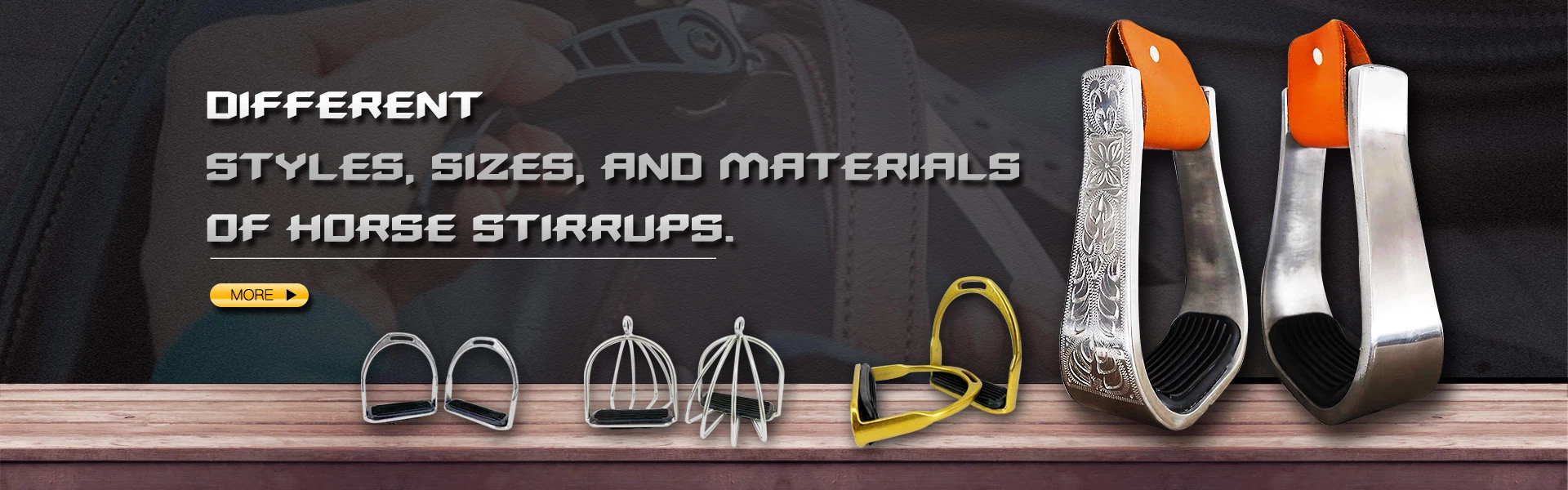
The English stirrup is most commonly associated with English riding styles, such as dressage, eventing, and show jumping. It consists of an iron or lightweight metal frame with a footplate suspended by two leather or metal loops called stirrup leathers. The size of the stirrup is relatively smaller compared to its Western counterpart, and it is designed to accommodate a rider''s English riding boots, which are usually slim and have a low heel. The English stirrup is known for its streamlined design, which allows for a close contact feel between the rider''s leg and the horse''s side. This close contact is essential for subtle communication between the rider and the horse during intricate movements and jumps.
On the other hand, the Western stirrup is primarily used in Western riding styles, such as barrel racing, roping, and trail riding. It features a larger and heavier design compared to the English stirrup. Western stirrups are usually made from wood, metal, or synthetic materials and have a wide footbed, allowing riders to place their entire foot comfortably. Unlike the English stirrup, which hangs straight down from the saddle, the Western stirrup is attached to a stirrup fender, which is a wide leather strap that connects the stirrup to the saddle. This positioning allows the rider''s foot to be slightly angled, providing added stability and support during maneuvers like roping and quick turns.
Another noticeable difference between the two types of stirrups is the presence of a toe stop. English stirrups typically feature a small metal loop called a toe stop, which is attached to the front of the stirrup to prevent the foot from sliding through. This toe stop is especially important during jumping activities, where the rider needs a secure foothold to maintain balance over the jump. Western stirrups, on the other hand, do not usually have a toe stop. Instead, riders rely on the width of the stirrup footbed and the angled positioning to keep their feet in place.
The stirrup length and position also vary between English and Western riding styles. In English riding, stirrups are generally shorter, allowing the rider to bend their knee slightly and maintain a more vertical lower leg position. This position aids in maintaining balance and a secure seat while performing movements that require flexibility and finesse. In Western riding, stirrups are generally longer, and riders have a more relaxed leg position with a slightly more forward angle to accommodate the longer stirrup length. This position provides stability and support during long hours of riding, as well as the sudden stops and turns often encountered in Western disciplines.
In terms of safety considerations, both types of stirrups have their advantages. English stirrups are designed with a relatively narrow profile, which reduces the likelihood of getting caught during a fall or accident. This design allows the rider''s foot to release easily in case of an emergency. Moreover, the closed footplate of the English stirrup prevents the rider''s foot from slipping through the stirrup, reducing the risk of dragging in case of a fall. Western stirrups, with their wider footbed and angled position, provide a higher degree of stability and security while riding. The larger surface area distributes the rider''s weight more evenly, reducing the pressure on any specific point of contact.
To summarize, the key differences between English stirrups and Western stirrups lie in their design, purpose, and the riding styles they are associated with. The English stirrup is smaller, streamlined, and mainly used in English riding styles, emphasizing close contact and communication between the rider and the horse. On the other hand, the Western stirrup is larger, heavier, and primarily used in Western riding styles, providing stability and support during various maneuvers. Understanding these differences can help riders choose the most suitable stirrup type based on their riding style and personal preferences.