

What is Standard English Stirrup Size?
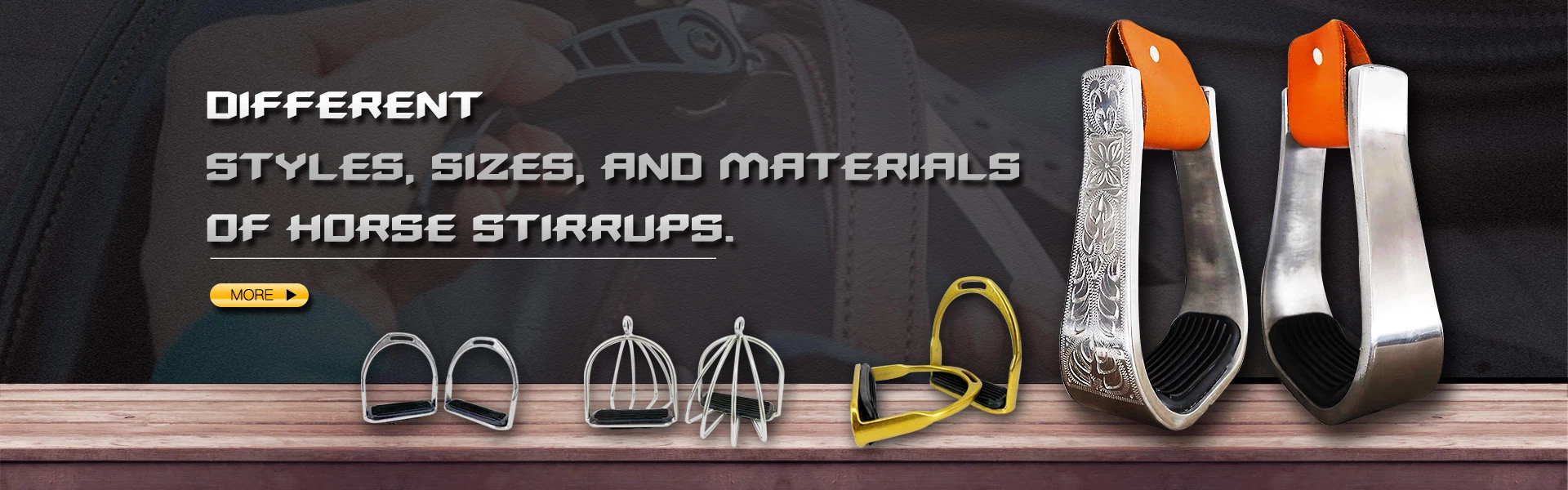
The stirrup is an essential piece of horse riding equipment that serves as a foot support for the rider. It is attached to the saddle and provides stability and balance while riding. Stirrups come in various sizes, shapes, and materials, depending on the type of riding and individual preferences. In this article, we will explore the standard English stirrup size and delve into other pertinent details related to this crucial tool.
Understanding Stirrup Sizes:
Stirrups are available in different sizes to cater to the diverse needs of riders. The size of a stirrup primarily refers to its width, which plays a significant role in determining the rider''s comfort and overall riding experience. In English riding, the most common stirrup sizes range from 4 1/4 inches to 4 3/4 inches.
The width of English stirrups is measured at its widest point, which is the opening where the rider inserts their foot. It is crucial to find the right stirrup size to ensure proper foot placement and prevent discomfort or accidents during riding.
Factors Influencing Stirrup Size:
While the standard English stirrup size falls within the 4 1/4 to 4 3/4 inches range, several factors can affect the ideal size for an individual rider. Let''s explore these factors in detail:
1. Personal Preference: Riders have individual preferences when it comes to stirrup size. Some riders may prefer a narrower stirrup for a secure feeling, while others may opt for a wider stirrup to accommodate broader feet or provide extra stability.
2. Foot Size: The size and shape of a rider''s foot determine the appropriate stirrup width. A general guideline recommends that the width of the stirrup should be about one inch wider than the widest part of the rider''s boot or shoe.
3. Riding Style: The type of English riding discipline can also influence the preferred stirrup size. For example, in dressage, where riders require a longer leg position and a deeper heel, a narrower stirrup may be favored. On the other hand, in show jumping or cross-country riding, where the rider needs greater stability and support, a wider stirrup may be preferred.
Choosing the Right Stirrup Size:
Finding the ideal stirrup size is crucial for both the rider''s comfort and safety. Here are some essential steps to help you choose the right stirrup size:
1. Measure Foot Size: Start by measuring the width of your foot. Ideally, measure the widest part of your foot while wearing the socks or riding boots you would typically use during riding. Take note of the measurement in inches or centimeters.
2. Consider Riding Discipline: As discussed earlier, the type of English riding you practice will influence the stirrup width you may prefer. Research and consult with experienced riders or instructors in your discipline to gain insights into their stirrup size recommendations.
3. Try Different Sizes: Visit a well-stocked equestrian store or consult a professional saddle fitter to try stirrups of different sizes. Insert your foot into each stirrup and assess the level of comfort, stability, and foot placement. Ensure that your toes have enough room to avoid discomfort or potential injury.
4. Seek Expert Advice: If you are still unsure about the appropriate stirrup size for your needs, seek advice from a knowledgeable saddle fitter, riding instructor, or experienced riders. They can provide guidance based on their expertise and experiences.
Considerations Beyond Size:
While stirrup size is a critical factor, other aspects should also be considered to ensure a safe and comfortable riding experience. These include:
1. Stirrup Material: Stirrups are available in various materials such as stainless steel, aluminum, or composite materials. Each material has its unique characteristics, including weight, durability, and grip. Consider these factors when choosing the material for your stirrups.
2. Safety Features: Some stirrups come with safety features, such as flexion or breakaway mechanisms, designed to prevent accidents or reduce the risk of injury in case of a fall. Evaluate these features and choose stirrups that align with your safety requirements.
3. Budget: Stirrup prices can vary significantly based on factors such as material, design, and additional features. Set a budget and consider the available options within your price range, while ensuring the stirrup meets your requirements in terms of size and safety.
Conclusion:
In conclusion, the standard English stirrup size typically ranges from 4 1/4 to 4 3/4 inches. However, individual preferences, foot size, and riding discipline can influence the ideal stirrup size for a rider. It is essential to ensure the stirrup width provides comfort, stability, and proper foot placement. Remember to consider other factors, such as stirrup material, safety features, and budget, when choosing the right stirrups for your riding needs. By selecting the appropriate stirrup size and paying attention to these considerations, you can enhance your riding experience and promote safety in the saddle.