

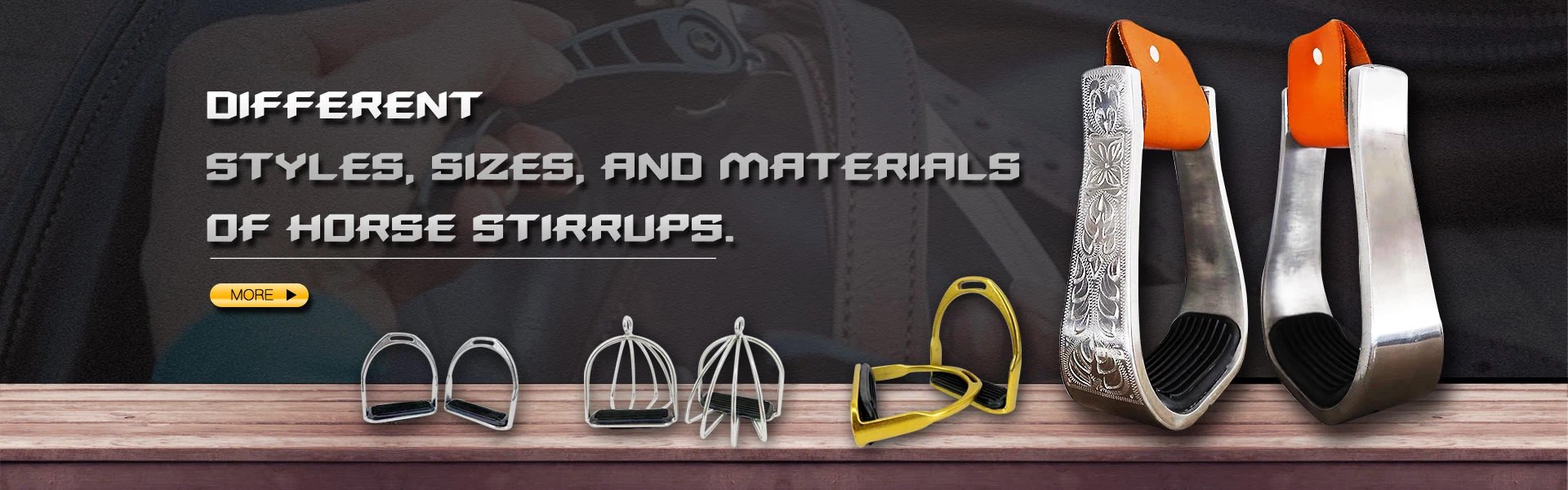
What are English stirrups called?
Stirrups are essential horse riding equipment that has been used for centuries. They play a crucial role in maintaining balance and stability while riding. Stirrups come in various types and designs, each serving a specific purpose. In English riding, stirrups are called "iron" or "stirrups," but their design and usage differ from other styles of riding. In this article, we will explore the history, types, and significance of English stirrups.
History of English Stirrups:
The use of stirrups dates back to ancient times. It is believed that the first stirrups were used by nomadic tribes in Central Asia around the 3rd century AD. These early stirrups were made of leather or wooden frames and were merely meant for support rather than balance. The concept of stirrups then spread to different parts of the world through trade and conquest.
The English stirrups evolved from the medieval era, where they were known as "estrippes." During this period, stirrups were made of metal and had a wide, flat base, providing riders with stability and support. Over time, the design of English stirrups underwent several modifications to enhance their functionality and comfort.
Types of English Stirrups:
1. Fillis Stirrups: Named after their inventor, Colonel Frederic Fillis, these stirrups are the most commonly used in English riding. They are made of metal and have a simple design with a tread and two branches extending from the rings. Fillis stirrups are popular due to their durability and affordability.
2. Jointed Stirrups: Jointed stirrups, also known as flex stirrups, have a hinged design that allows the tread to pivot. This feature reduces strain on the rider''s joints, especially the knees and ankles. Jointed stirrups are often used by riders who suffer from arthritis or joint-related issues.
3. Peacock Stirrups: Peacock stirrups are specifically designed for beginner riders or those who ride young, unpredictable horses. They have a rubber band attached to each side of the stirrup branch. In case of a fall or an accident, the rubber band breaks, releasing the rider''s foot from the stirrup, preventing them from being dragged.
4. Safety Stirrups: Safety stirrups are similar to peacock stirrups in their purpose of preventing accidents or injuries. They have an open side, making it easier for the rider''s foot to slide out in an emergency. Safety stirrups are popular in eventing and cross-country riding, where the risk of falls is higher.
5. Offset Eye Stirrups: Offset eye stirrups are designed to enhance rider comfort and alignment by creating a slight angle in the stirrup branch. This angling allows the foot to sit in a more natural position, reducing strain on the rider''s ankles and knees. Offset eye stirrups are commonly used by dressage riders.
Significance of English Stirrups:
English stirrups play a vital role in maintaining balance, stability, and control while riding. They provide a solid base for the rider''s feet and ensure proper alignment of the rider''s body. The correct use of stirrups allows the rider to apply aids effectively and communicate with the horse efficiently.
Stirrups also aid in weight distribution. By resting the rider''s weight on the stirrups, it prevents excessive pressure on the horse''s back. This is particularly important in English riding disciplines where the horse''s movements require precise balance and coordination.
Moreover, stirrups offer safety benefits. In case of unexpected situations such as tripping or spooking, stirrups provide the rider with stability and prevent them from losing their seat. Stirrups also aid in mounting and dismounting, making it easier for riders to get on and off their horses.
Conclusion:
English stirrups are an integral part of horse riding, providing riders with stability, balance, and control. With a rich history and various designs, stirrups have evolved over time to enhance comfort and safety. Whether you''re a beginner or an experienced rider, choosing the right stirrups for your needs is essential. So the next time you come across the question, "What are English stirrups called?" you can confidently say that they are called "iron" or "stirrups" and appreciate the significance they hold in the world of English riding.