

When it comes to English riding, spurs are one of the essential tools that riders use to communicate with their horses more precisely. As a supplier of English Riding Spurs, I understand the importance of safety when using these tools. In this blog, I will share some safety precautions that every rider should take when using English riding spurs.
Understanding the Purpose of Spurs
Before delving into safety precautions, it's crucial to understand why spurs are used in English riding. Spurs are not meant to be a tool for punishment. Instead, they are a subtle aid that can help riders give more precise signals to their horses. They can be used to encourage a horse to move forward, to ask for more impulsion, or to help with lateral movements. When used correctly, spurs can enhance the communication between the rider and the horse, leading to a more harmonious and effective ride.
Choosing the Right Spurs
The first step in using spurs safely is to choose the right ones. There are various types of English riding spurs available on the market, each designed for different levels of experience and riding styles. For beginners, it's advisable to start with mild spurs with a dull or blunted rowel. These spurs provide a gentle signal to the horse without causing any harm. As riders gain more experience and confidence, they can gradually move on to spurs with a sharper or more pronounced rowel.
- Equestrian English Spurs: These are a popular choice among riders of all levels. They come in a variety of styles and designs, offering a good balance between functionality and comfort. You can find a wide selection of Equestrian English Spurs on our website.
- Black Onyx English Spurs: These spurs are not only functional but also stylish. The black onyx adds a touch of elegance to the spurs, making them a favorite among riders who want to make a statement. Check out our Black Onyx English Spurs for a unique riding experience.
- Kids Barrel Stainless Steel Horse Spurs: If you have young riders in your family, these spurs are a great option. They are made of stainless steel, which is durable and easy to clean. The barrel design provides a gentle and safe signal to the horse, making them suitable for kids who are just starting out. Explore our Kids Barrel Stainless Steel Horse Spurs for your young equestrians.
Proper Fitting of Spurs
Once you have chosen the right spurs, it's important to ensure that they fit properly. Spurs that are too tight can cause discomfort and even injury to the rider's ankles, while spurs that are too loose can shift around and cause the rowel to rub against the horse's side in an unintended way. To ensure a proper fit, follow these steps:
- Measure your ankle: Use a flexible measuring tape to measure the circumference of your ankle at the point where the spurs will sit.
- Choose the right size: Refer to the size chart provided by the spur manufacturer to select the appropriate size for your ankle measurement.
- Test the fit: Put on the spurs and make sure they are snug but not too tight. You should be able to move your ankles freely without feeling any constriction.
- Adjust the straps: If the spurs come with adjustable straps, make sure they are tightened securely to prevent the spurs from slipping off during the ride.
Learning How to Use Spurs Correctly
Using spurs correctly is essential for both the safety of the rider and the horse. Here are some tips on how to use spurs properly:
- Start with basic training: Before using spurs in a real riding situation, it's important to practice using them in a controlled environment. You can start by practicing on a lunge line or in an arena with an experienced instructor.
- Use gentle pressure: When using spurs, it's important to use gentle pressure. The goal is to provide a subtle signal to the horse, not to cause pain or discomfort. Start with a light touch and gradually increase the pressure if necessary.
- Keep your legs in the correct position: Your legs should be in the correct position when using spurs. They should be relaxed and hanging naturally from the saddle, with your heels down and your knees slightly bent.
- Use spurs in combination with other aids: Spurs should be used in combination with other aids, such as the reins and the seat. This will help you communicate more effectively with your horse and achieve better results.
- Be consistent: Consistency is key when using spurs. Make sure you use the same pressure and technique every time you use the spurs to avoid confusing your horse.
Regular Maintenance of Spurs
Regular maintenance of your spurs is important to ensure their safety and functionality. Here are some tips on how to maintain your spurs:
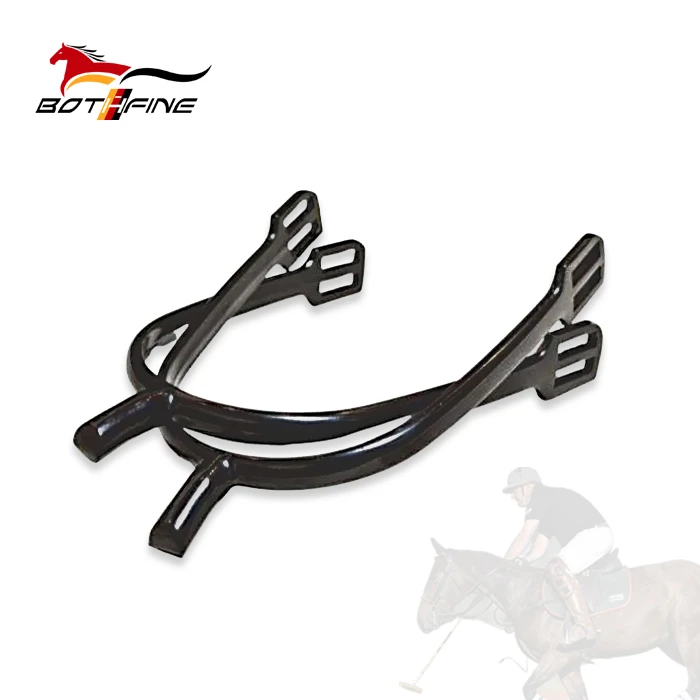

- Clean your spurs after each ride: Use a soft cloth to wipe off any dirt or debris from the spurs after each ride. You can also use a mild soap and water solution to clean the spurs if they are particularly dirty.
- Inspect your spurs regularly: Check your spurs regularly for any signs of wear and tear. Look for loose or broken parts, such as the rowel or the straps. If you notice any problems, have the spurs repaired or replaced immediately.
- Store your spurs properly: When not in use, store your spurs in a dry and secure place. You can use a spur bag or a storage case to protect the spurs from damage.
Safety Precautions During the Ride
In addition to the above precautions, there are some safety measures that you should take during the ride to ensure the safety of both you and your horse.
- Warm up your horse: Before using spurs, make sure your horse is properly warmed up. This will help to relax the horse's muscles and make it more receptive to the signals from the spurs.
- Pay attention to your horse's reaction: Watch your horse's reaction carefully when using spurs. If your horse shows any signs of discomfort or pain, such as flinching or kicking, stop using the spurs immediately and consult with an experienced instructor.
- Avoid using spurs on sensitive areas: Do not use spurs on sensitive areas of the horse's body, such as the belly or the flanks. This can cause pain and discomfort to the horse and may lead to behavioral problems.
- Use spurs only when necessary: Spur should be used only when necessary. Overusing spurs can desensitize the horse and make it less responsive to the rider's signals.
Conclusion
Using English riding spurs can be a great way to enhance your communication with your horse and improve your riding skills. However, it's important to use them safely and responsibly. By choosing the right spurs, fitting them properly, learning how to use them correctly, maintaining them regularly, and taking the necessary safety precautions during the ride, you can ensure a safe and enjoyable riding experience for both you and your horse.
If you are interested in purchasing English riding spurs or have any questions about their safety and usage, please feel free to contact us. We are a leading supplier of high-quality English riding spurs and are committed to providing our customers with the best products and services. We look forward to discussing your requirements and helping you find the perfect spurs for your riding needs.
References
- "The Complete Guide to English Riding Spurs" by Equestrian World Magazine
- "Safety First: Using Spurs in English Riding" by Horse & Rider Magazine
- "How to Choose and Use English Riding Spurs" by The Spruce Pets