

Attaching men's western spurs to boots is a skill that every cowboy or equestrian enthusiast should master. As a supplier of Men's Western Spurs, I've seen firsthand the importance of getting this right. Not only does it ensure a secure fit, but it also enhances the overall riding experience. In this blog, I'll guide you through the process of attaching men's western spurs to boots, step by step.
Understanding Your Spurs
Before you start attaching your spurs, it's crucial to understand the different types of spurs available. At our store, we offer a wide range of Men's Western Spurs, including the Black Bull Riding Spurs, Black Steel Southwestern Style Horse Spurs, and ANTIQUE SPUR HORSE RIDING SPURS. Each type of spur has its own unique features and attachment methods.
- Rowel Spurs: These are the most common type of western spurs. They have a small wheel, or rowel, at the end of the shank. Rowel spurs are attached to the boots using a strap or buckle system.
- Jingle Bob Spurs: These spurs have small metal pieces, or jingle bobs, that make a jingling sound when the rider moves. Jingle bob spurs are also attached to the boots using a strap or buckle system.
- Prince of Wales Spurs: These spurs have a flat, rounded end and are often used in formal riding events. Prince of Wales spurs are attached to the boots using a strap or buckle system.
Gathering Your Tools
Once you've chosen the right spurs for your needs, it's time to gather the tools you'll need to attach them to your boots. Here's a list of the tools you'll need:

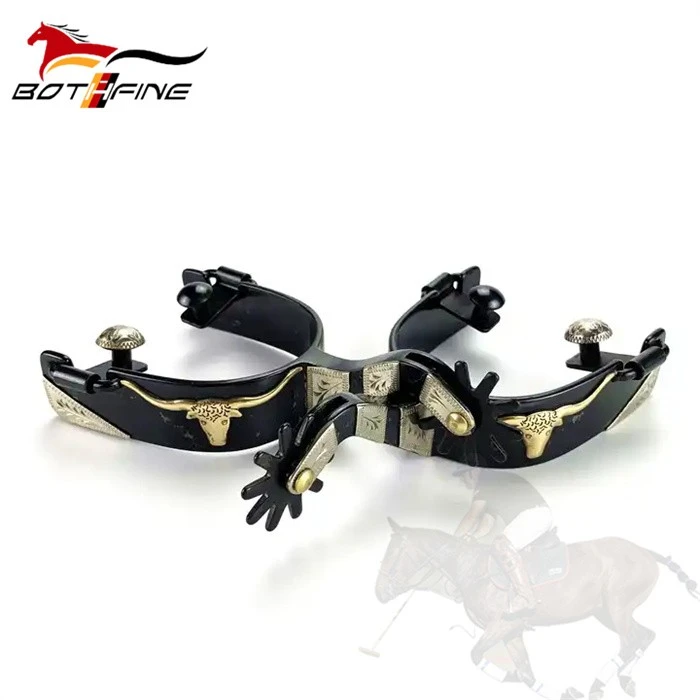
- Spurs: Of course, you'll need a pair of men's western spurs. Make sure they're the right size and style for your boots.
- Boots: You'll need a pair of western boots that are compatible with your spurs. Make sure the boots have a heel that's wide enough to accommodate the spurs.
- Strap or Buckle: Depending on the type of spurs you have, you'll need a strap or buckle to attach them to your boots. Make sure the strap or buckle is the right size and style for your spurs.
- Scissors: You'll need a pair of scissors to cut the strap or buckle to the right length.
- Hammer: You'll need a hammer to secure the strap or buckle to the spurs.
- Nails or Rivets: You'll need nails or rivets to secure the strap or buckle to the spurs. Make sure the nails or rivets are the right size and style for your spurs.
Preparing Your Boots
Before you start attaching your spurs to your boots, it's important to prepare your boots. Here's how:
- Clean Your Boots: Use a damp cloth to clean the inside and outside of your boots. This will remove any dirt or debris that could interfere with the attachment process.
- Dry Your Boots: Use a dry cloth to dry your boots completely. This will prevent the leather from becoming damaged during the attachment process.
- Mark the Placement: Use a pencil to mark the placement of the spurs on your boots. Make sure the spurs are centered on the heel and that they're parallel to the ground.
Attaching Your Spurs
Now that you've prepared your boots, it's time to attach your spurs. Here's how:
- Attach the Strap or Buckle: If your spurs come with a strap or buckle, attach it to the spurs using the nails or rivets. Make sure the strap or buckle is secure and that it's the right length.
- Place the Spurs on Your Boots: Place the spurs on your boots in the marked placement. Make sure the spurs are centered on the heel and that they're parallel to the ground.
- Secure the Spurs: Use the strap or buckle to secure the spurs to your boots. Make sure the strap or buckle is tight enough to hold the spurs in place, but not so tight that it's uncomfortable.
Testing Your Spurs
Once you've attached your spurs to your boots, it's important to test them to make sure they're working properly. Here's how:
- Walk Around: Put on your boots and walk around for a few minutes. Make sure the spurs don't rub against your legs or cause any discomfort.
- Check the Fit: Check the fit of the spurs to make sure they're secure and that they're not loose. If the spurs are too loose, you may need to tighten the strap or buckle.
- Test the Rowel: If your spurs have a rowel, test it to make sure it rotates freely. If the rowel doesn't rotate freely, you may need to lubricate it or adjust it.
Maintaining Your Spurs
Once you've attached your spurs to your boots, it's important to maintain them to ensure they last for a long time. Here's how:
- Clean Your Spurs: Use a damp cloth to clean the spurs after each use. This will remove any dirt or debris that could cause them to rust or corrode.
- Lubricate Your Spurs: Use a lubricant, such as WD-40, to lubricate the rowel and other moving parts of the spurs. This will prevent them from rusting or corroding.
- Store Your Spurs: Store your spurs in a dry, cool place when you're not using them. This will prevent them from rusting or corroding.
Conclusion
Attaching men's western spurs to boots is a simple process that can enhance your riding experience. By following the steps outlined in this blog, you can attach your spurs to your boots quickly and easily. Remember to choose the right spurs for your needs, gather the tools you'll need, prepare your boots, attach your spurs, test them, and maintain them properly. If you have any questions or need further assistance, please don't hesitate to contact us. We're here to help you find the perfect Men's Western Spurs for your needs.
References
- Western Horseman. (n.d.). How to Attach Spurs to Your Boots. Retrieved from [Website URL]
- Cowboy Lifestyle Network. (n.d.). A Guide to Western Spurs. Retrieved from [Website URL]
- Horse&Rider. (n.d.). Choosing the Right Spurs for Your Horse. Retrieved from [Website URL]